

Project Description
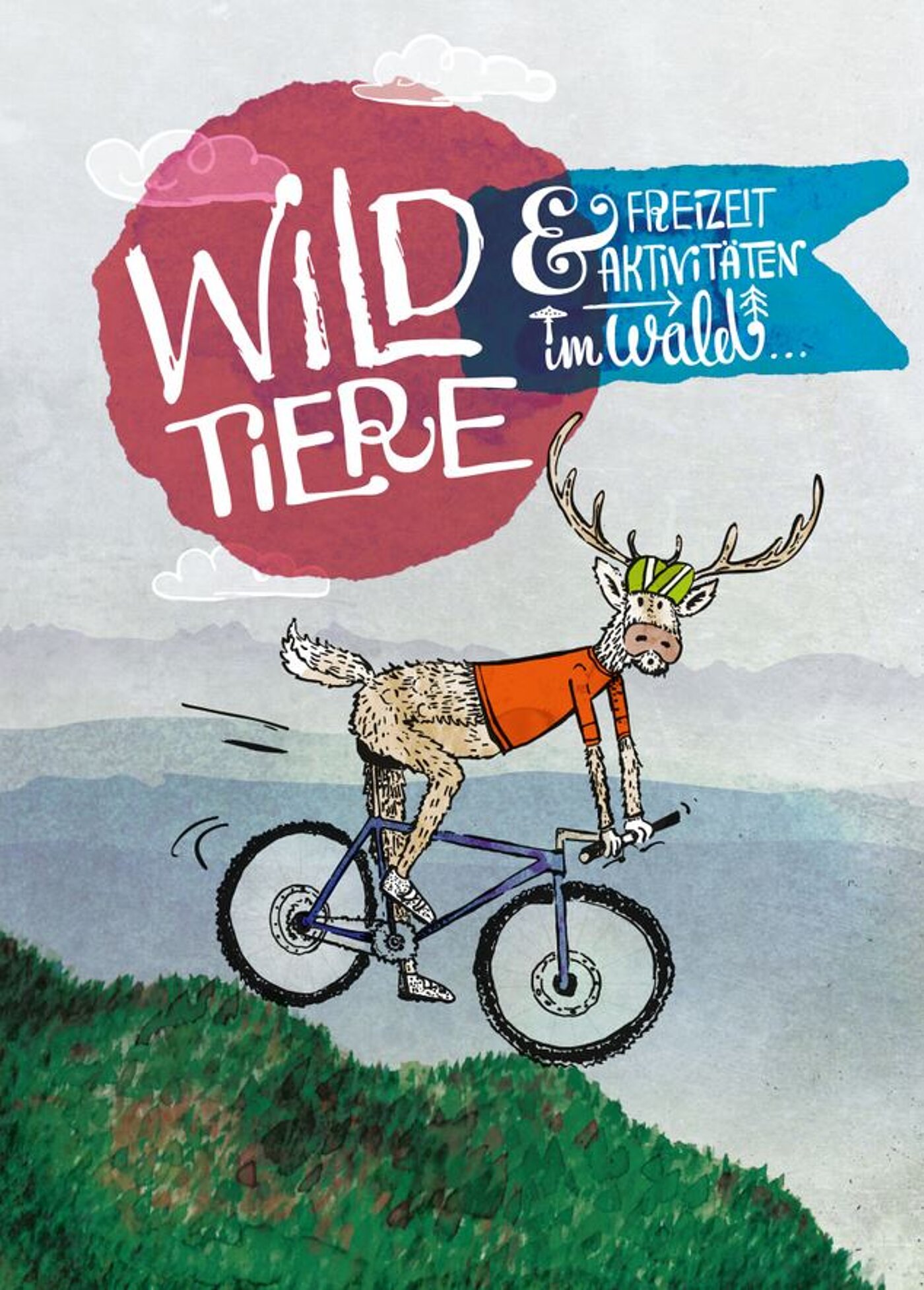
Winter sports activities have increased significantly in recent years, particularly outside of designated ski areas. But what is relaxation and fun for ski tourers and freeriders can quickly turn into constant stress for wildlife. Wild animals are thus exposed to human disturbances and are finding fewer and fewer places to retreat to. The brochure “Wild Animals & Recreational Activities in the Forest” was developed in collaboration with the Forestry Research Institute and the German Sport University Cologne.
Objective
The Foundation for Safety in Skiing is committed to raising awareness about winter sports practices that are environmentally friendly and respectful of wildlife. It also initiates and promotes environmental education and visitor management measures in winter sports areas. The goal is to protect sensitive animal species in the Alpine region and in the low mountain ranges, regulate visitor flows, and avoid disturbances.
Tips & Interesting Facts
The Alpine mountain region is home to numerous animal species. Among them, the so-called indicator species reflect the condition of the landscape on behalf of many other animals. These include hoofed game (red deer, roe deer, chamois, and ibex) and the group of grouse (snow grouse, black grouse, capercaillie, and hazel grouse). The rare grouse species are threatened by environmental changes. In addition, a wide variety of other birds and small animals shape the overall ecosystem of the Alps. Microorganisms, which live primarily in the soil, contribute to all life processes in their millions and are a crucial factor in soil fertility.
The key factor in how wildlife perceives disturbances is whether human activities take place “on trails and paths” or “off the beaten path.” Wild animals can accurately assess potential dangers on trails and paths and adapt their behavior to the disturbances or become accustomed to them. However, even a single person traveling off-trail can prevent this habituation and trigger energy-consuming flight responses. Every flight response consumes a great deal of energy, which can hardly be compensated for by the limited food supply. Disturbance is often followed by flight, which can have a wide range of consequences. Energy expenditure increases dramatically, feeding and resting areas are avoided, time spent feeding is reduced, and reproductive success is diminished. But the consequences of disturbances are also visible in the forest. Stressed wild animals hide in dense forest stands and begin to peel bark from trees or bite off young shoots, which can lead to economic damage in the forest.
- Use marked trails, paths, and climbing routes
- Avoid twilight and nighttime hours whenever possible
- Avoid forest edges, woodlands, thickets, and reforested areas where wildlife retreats—so stay in open areas!
- Under no circumstances enter areas marked with stop signs and banners or closed trails